About Me

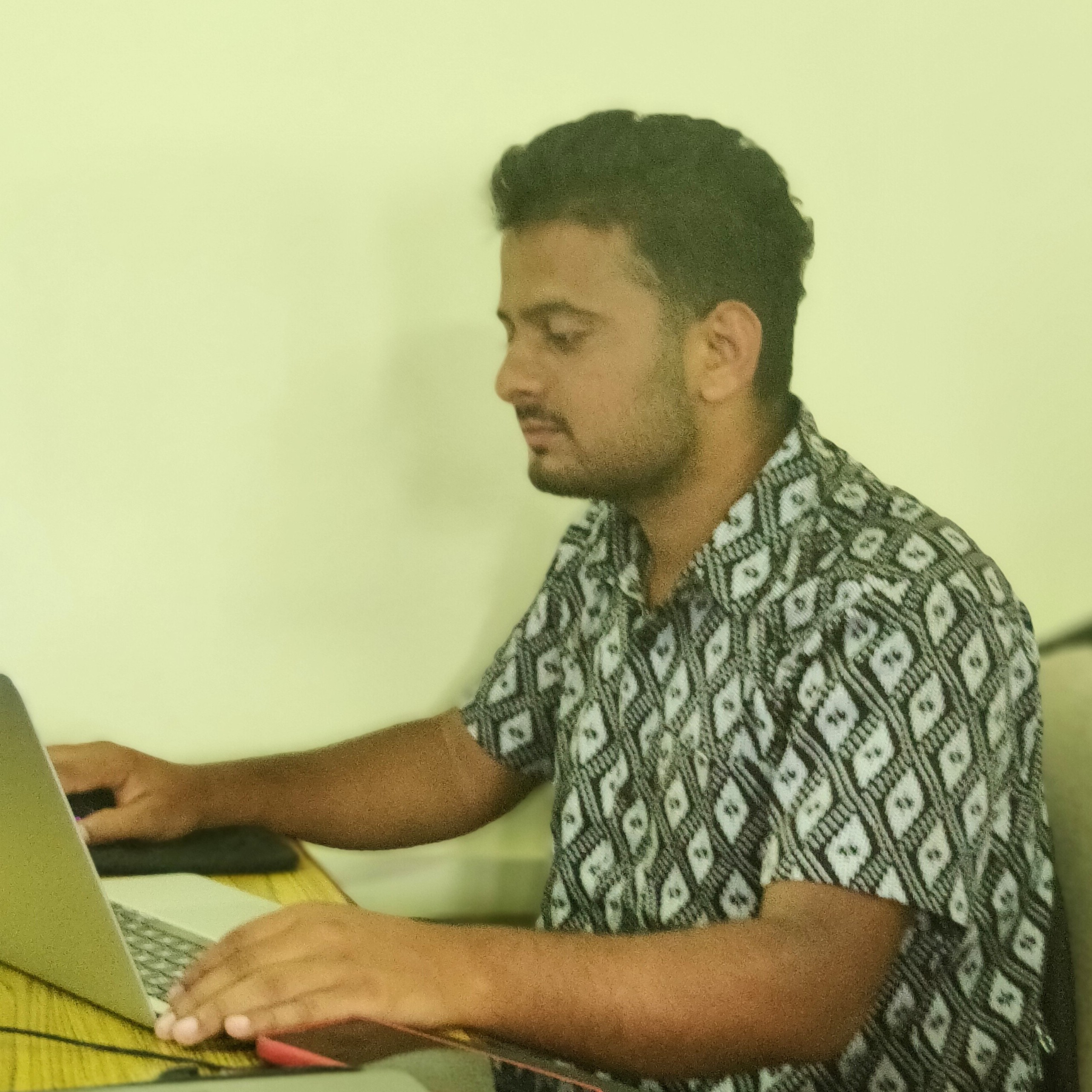
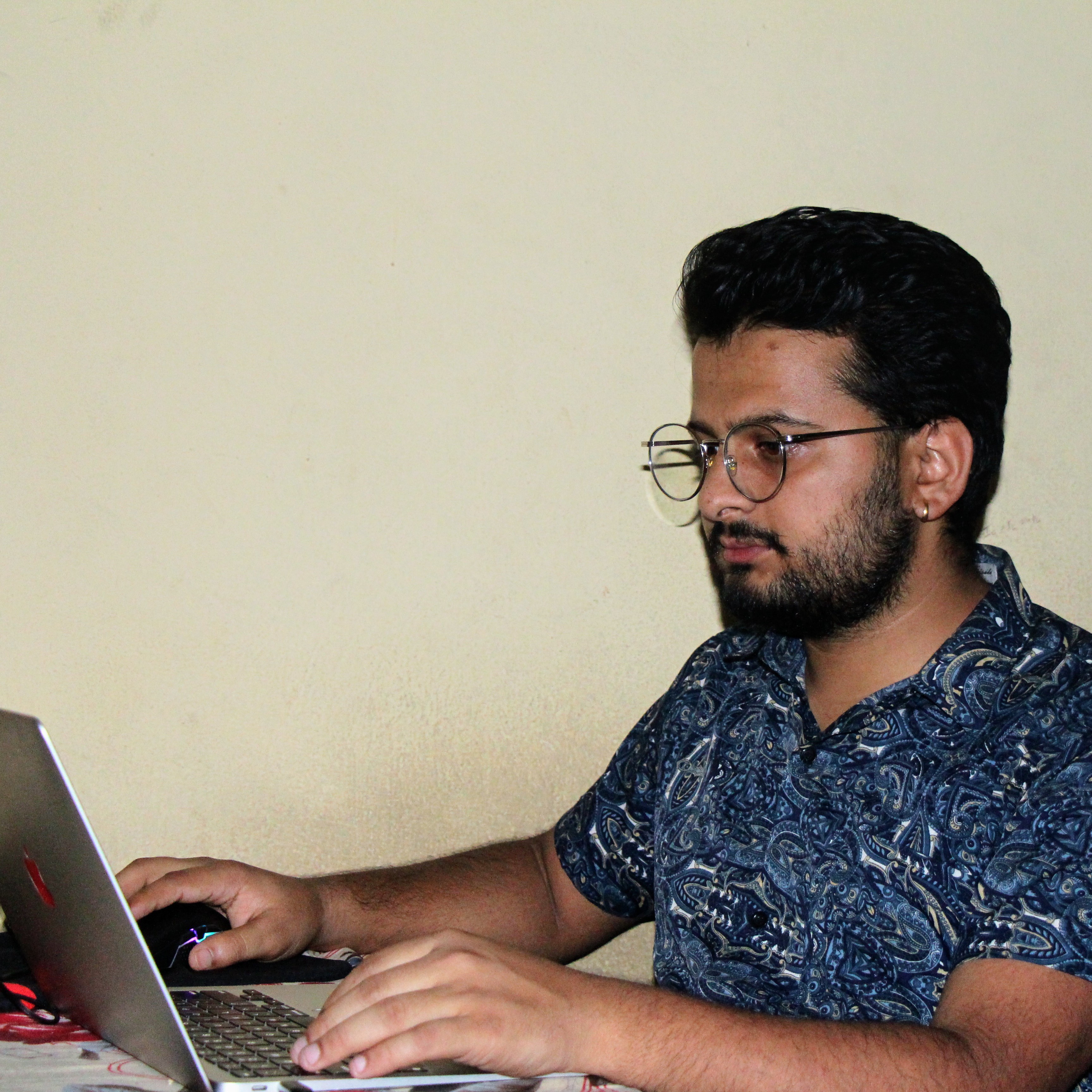
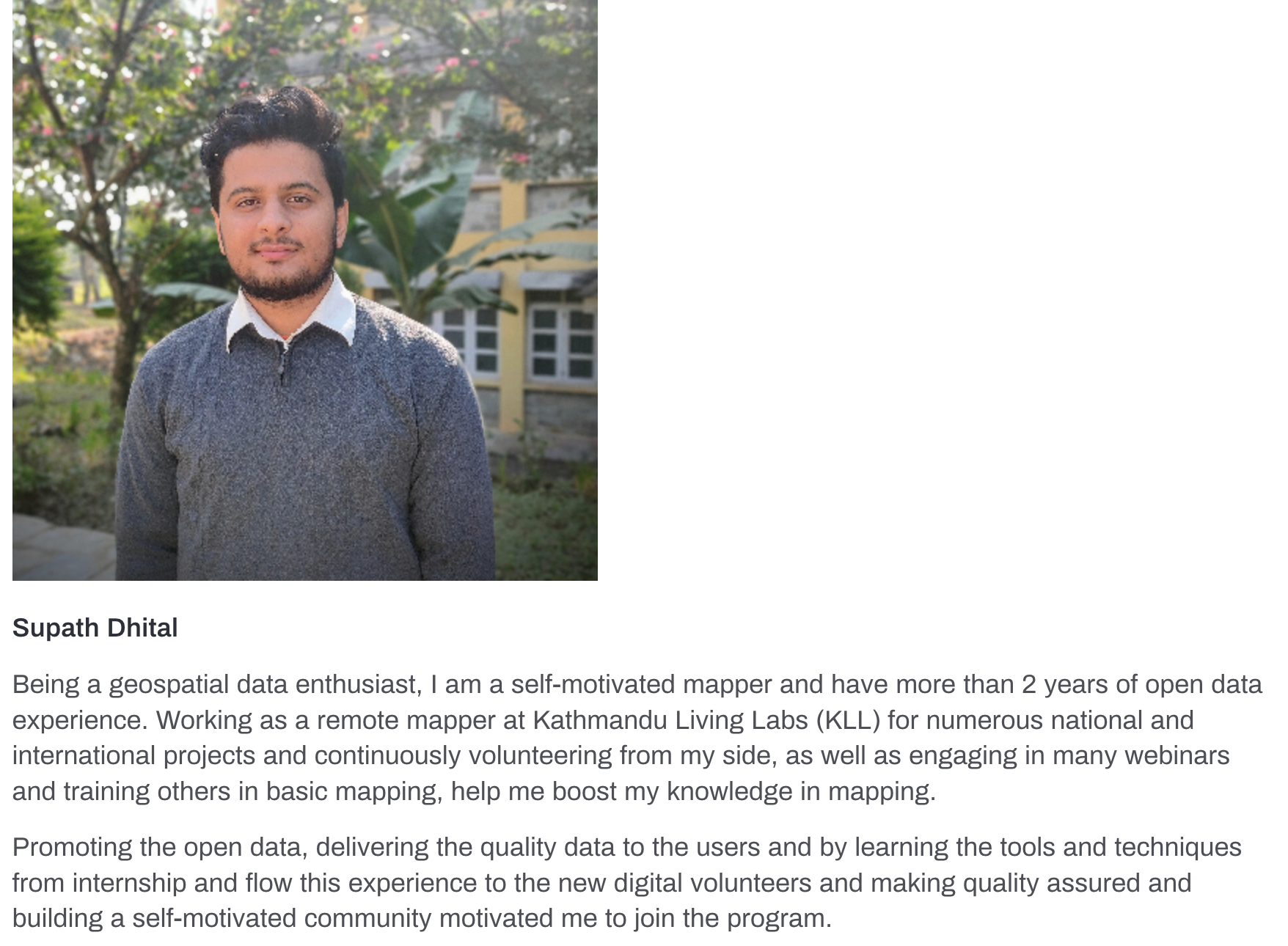
I'm Supath Dhital, a graduate student in Deaprtment of Geography and the Environment at the University of Alabama, specializing in geospatial and water resources modeling with a concentration in surrogate flood inundation mapping. Currently, I work as a graduate researcher at the Surface Dynamics Modeling Lab, where I develop automated, Python-based geospatial frameworks that support operational research in surface water hydrology. With a strong foundation in GIS, remote sensing, and ESRI technologies, I focus on integrating spatial science, hydrology, and AI to build scalable tools for flood forecasting, inundation modeling, and decision-support systems. I'm passionate about solving real-world water challenges through automation, innovation, and interdisciplinary collaboration.

My area of knowledge

  • Web development icon

    Geospatial Data Science and Analytics

    Developed and streamlined several spatial workflows using Python, ArcPy, GDAL, and rasterio. Built scalable geospatial data processing pipelines with AWS S3 and automated workflows for advanced spatial analysis techniques.

  • design icon

    Machine Learning and AI for Water Resources

    Developed deep learning-based surrogate models achieving 30%+ better accuracy and 1000X faster flood mapping processing speeds. Led deep learning project for flood forecasting using 20+ years of Danube and Sava River data, and implemented LSTM models for short-term weather forecasting in Nepal.

  • design icon

    WebGIS Development and Cloud Computing

    Developed WebGIS platforms using ArcGIS Online, Experience Builder, and Arcade for flood inundation visualization. Built Python-based operational workflows integrating Google Earth Engine API, AWS cloud storage, and deployed machine learning models through Flask web applications.

  • design icon

    Database design and Automation

    Designed and implemented PostgreSQL/PostGIS geodatabase schemas for complex spatial analysis and network routing applications. Developed automated geospatial workflows using ArcPy, ModelBuilder, and Python scripting to streamline repetitive data processing tasks across large-scale projects. Created standardized data validation frameworks and quality control procedures multiple geospatial initiatives. Built end-to-end automation pipelines integrating cloud storage, APIs, and spatial databases for scalable geospatial data management and analysis.

  • design icon

    Cartography

    Created thematic and web maps using UMap, Mapbox, and Overpass Turbo for spatial information dissemination across disaster-mapping projects. Designed interactive geospatial data visualization frameworks leveraging Folium, Leaflet, and geemap, with experience in cartographic design principles from formal coursework and practical application in flood inundation extent mapping.

  • camera icon

    Field Surveying and Remote Sensing

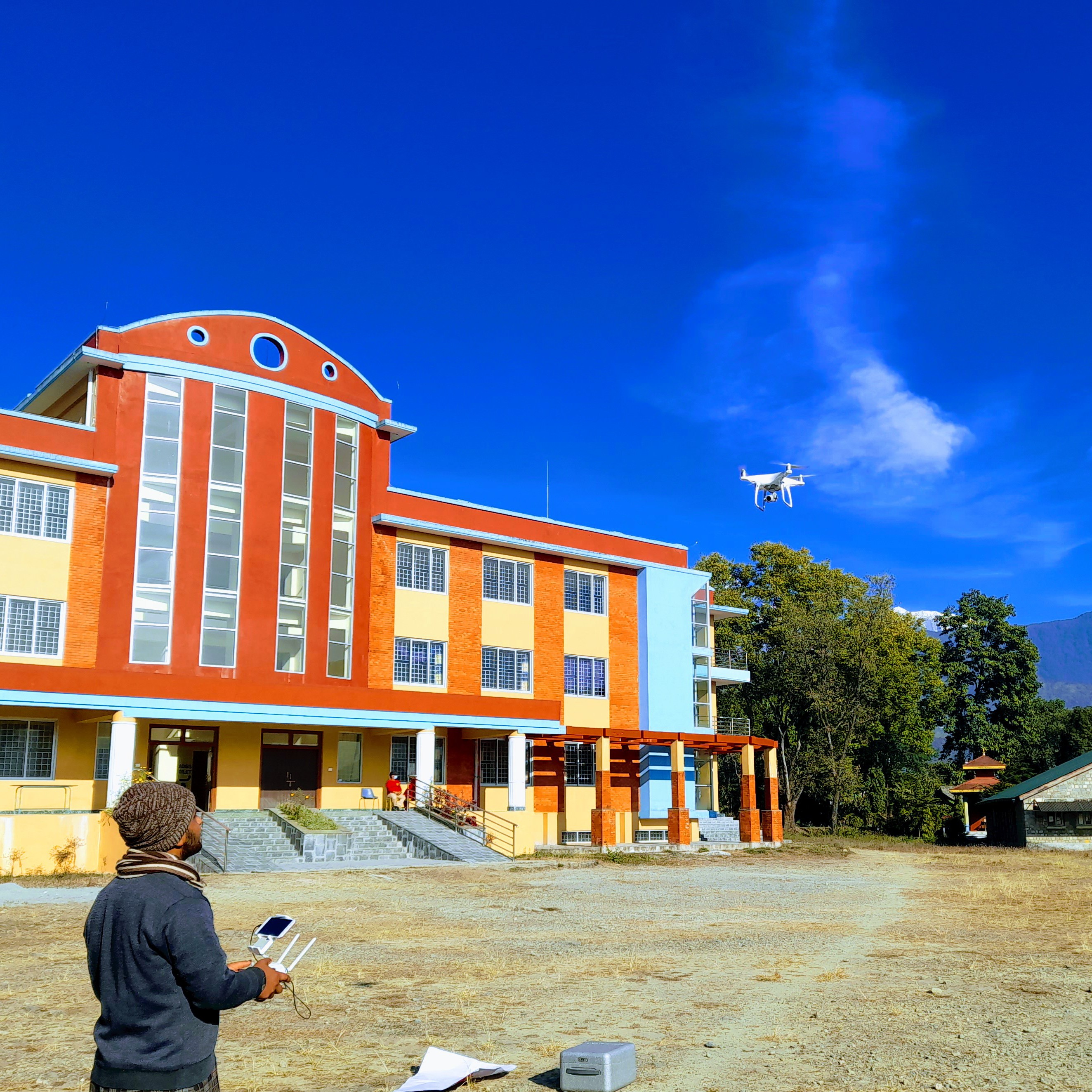
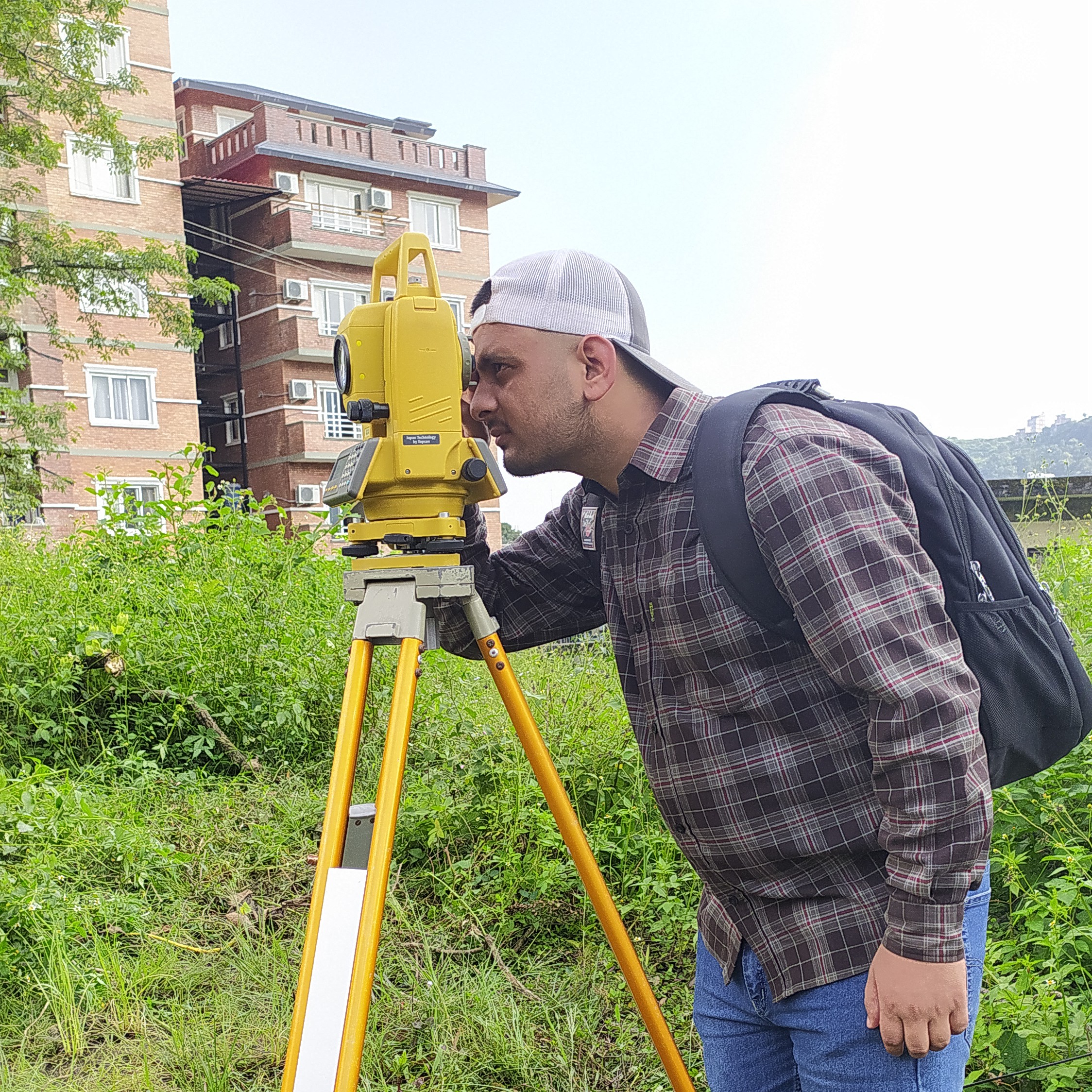
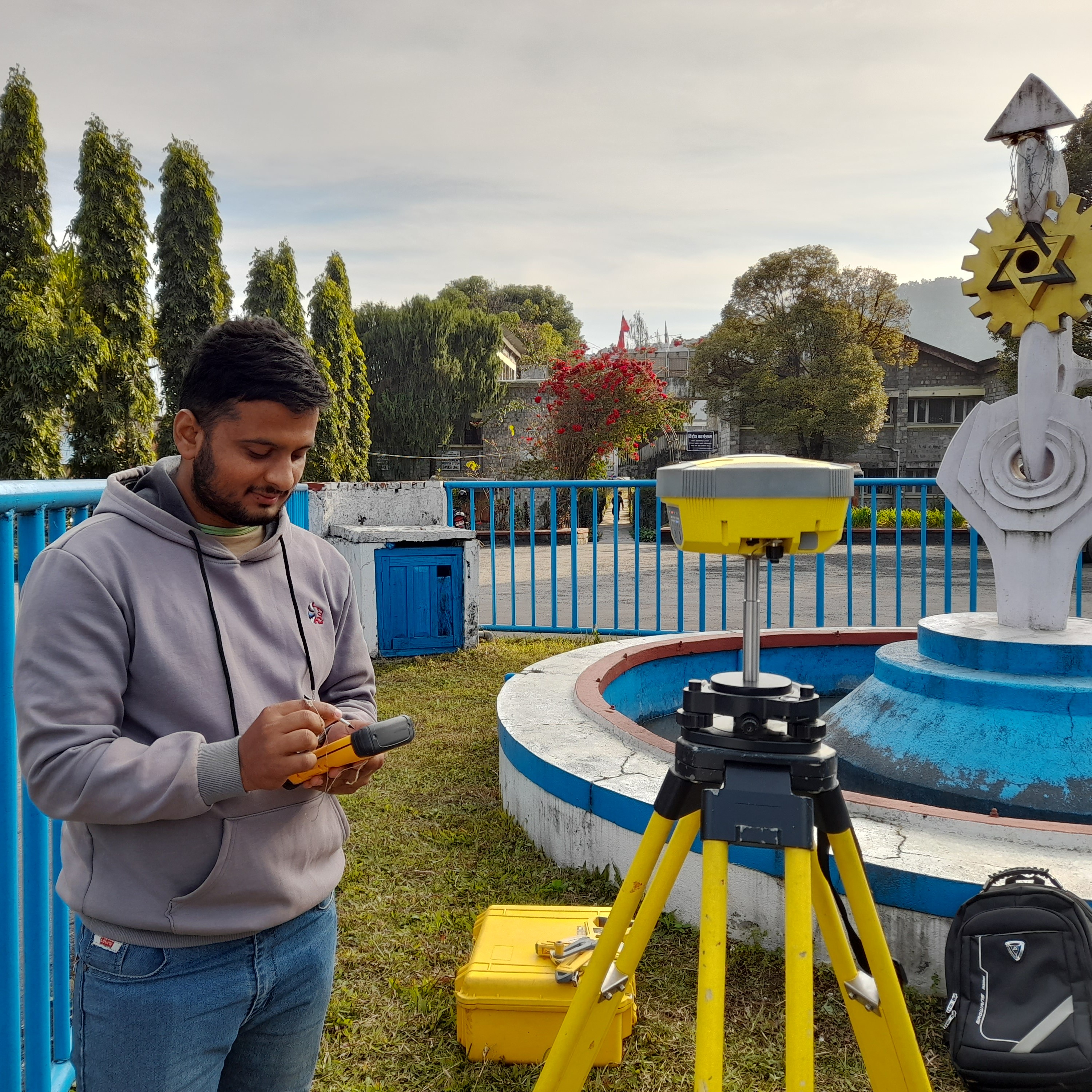
    Executed topographic, hydropower, and bridge site surveys using DGPS and field instruments. Led UAV-based mapping projects with Pix4DMapper, processed LiDAR data in Global Mapper, and conducted field data collection via GPS, Survey123, and Field Maps for ground-truth validation.

  • Surveyor

    Surveying

    Experience on different kinds of surveying related to road, bridge, land and so many so strong knowledge on surveying and data handling.

  • Earth

    Mapping

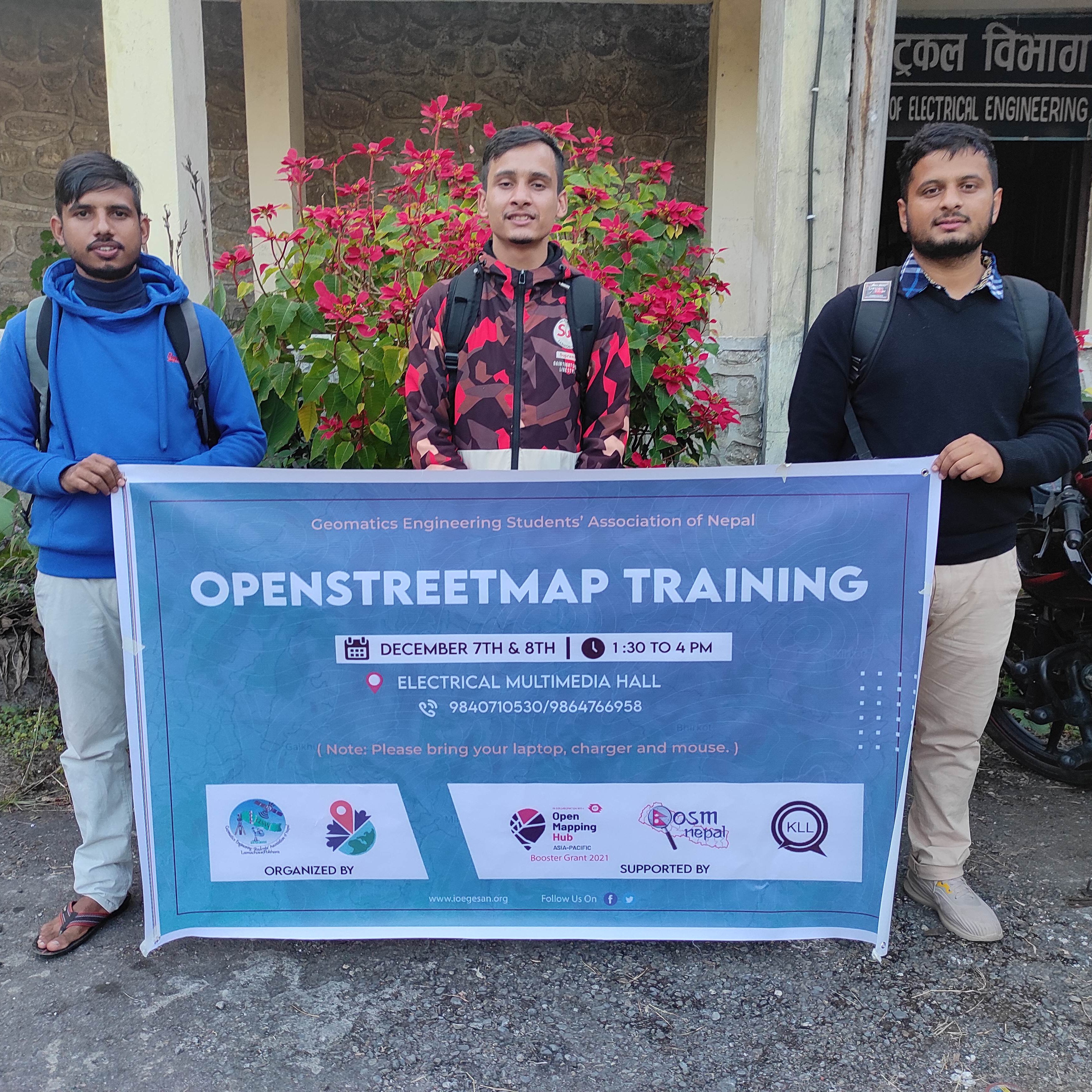
    Since 2019, digitizing the geographic features using different tools to extract the crucial geo data and engaging so many sessions and engage in several project sharp my skills towards mapping.

Credentials

  • Training

    Landslides Risk Assessment

    In this webinar, modeling the landslide prone area to automate the system for the early warning to the civilians and make them more aware about the disaster that may happen in near future was the main theme of that training.

  • Summer School

    Geoinformatics Summer School

    It was an amazing experience to be part of this fruitful short course of 2022 International Geoinformatics Summer School organized by the State Key Laboratory of Information Engineering in Surveying, Mapping and Remote Sensing (LIESMARS), Wuhan University. The interactive and informative sessions about the different currently demanding and useful Geoinformatics tools, technology and its working field and how it will be implemented for the development of the nation from the well experienced professors from diverse field was the most engaging and beautiful part of this course. By the help of this summer school, I am more aware of how Geoinformatics students can contribute to sustainable development.

  • DGPS Training

    DGPS and LiDAR Training

    Experience CSSGS' groundbreaking DGPS and LiDAR training, supported by UGC, to unlock geospatial technology's potential in precision mapping. Gain an edge in the field with comprehensive instruction, industry collaboration, and hands-on expertise. Elevate your skills and navigate the evolving geospatial landscape confidently.
Worked Places

Resume

Education

  1. The University of Alabama, Tuscaloosa, AL 35401, USA

    2024 Spring - 2025 Fall

    Currently I am doing my MS in Geography in the Department of Geography and Environmental Studies, UA. I got a full funding scholarship for my masters as I am awarded with Graduate Research Assistant (GRA) to work in the sector of flood inundation mapping using surrogate machine learning models in Surface Dynamics Modeling Lab (SDML) under Prof., Dr. Sagy Cohen.

  2. Pashchimanchal Campus, Institute of Engineering, Tribhuvan University

    2018 — 2023

    I have studied my Bachelor of Geomatics Engineering in Department of Geomatics Engineering Pashchimanchal Campus, Pokhara Nepal. My major in Bachelor was Surveying, Cartography, Remote Sensing and GIS, python for GIS and Geodata Visualization.

  3. REHDON College

    2016 — 2018

    Grade (3.71/4, A+)
    With major subject as Physics, Computer Science, Mathematics and Chemistry, I secured A+ in my +2 Science.

Projects

  1. FIMserv: A Tool for Streamlining Flood Inundation Mapping (FIM) Using the United States Operational Hydrological Forecasting Framework

    Aug 2024 - Mar 2025

    Delivered a fully functional, open-source toolset—FIMserv—that automates and accelerates NOAA-OWP’s HAND-based flood mapping workflow, supporting multi-watershed simulations, cross-model discharge evaluation, and flexible deployment on local or cloud platforms for operational and research use. GitHub Link

  2. Flood Inundation Mapping Predictions Evaluation Framework (FIMeval)

    Oct 2024 - Mar 2025

    Developed FIMeval, a Python-based framework for automated evaluation of flood inundation maps, minimizing manual preprocessing and errors. The tool supports multi-source comparison, permanent waterbody masking, and building-level inundation analysis.GitHub Link

  3. Implemented a database with PostgreSQL and a framework for dynamic evacuation route planning for flood risk.

    Aug 2024 - Dec 2024

    I designed and implemented a dynamic flood evacuation route planning system using PostGIS and pgRouting, tailored to real-time flood scenarios (normal, median, and peak flows). Collected, preprocessed, and integrated diverse spatial datasets—DEM, LULC, TWI, precipitation, population density, road and building footprints—for suitability analysis and flood impact assessment. Developed spatial SQL functions to automate inundation mapping, shortest path calculations, and evacuation routing based on real-time data. Built a normalized spatial database schema to support complex spatial relationships and optimized routing logic. This solo project showcases advanced proficiency in GIS, spatial database management, geospatial analytics, disaster risk planning, and climate resilience modeling. Access final report

  4. Designed and deployed a WebGIS application with ArcGIS Online and Arcade for flood inundation extent dissemination.

    Jan 2024 - Apr 2024

    This study showcases the power of ArcGIS Online and WebGIS visualization—using interactive story maps and field maps—to effectively communicate flood risks and inundation patterns across return periods, bridging technical analysis with user-friendly decision-making tools.Access Web Application

  5. Detailed comparison between terrain-based flood maps with HEC RAS outputs for the Neuse River, NC.

    Jan 2024 - Apr 2024

    I conducted an in-depth comparative analysis of flood inundation predictions using the OWP HAND-FIM which is the operational flood Inundation mapping (FIM) adobted by the National Water Center- Office of Water Prediction (NWC-OWP) and HEC-RAS 2D models for various return periods (2, 10, 25, and 50 years) in a North Carolina case study. This project involved geospatial data processing, map generation, and model performance evaluation using HEC-RAS, ArcGIS Pro, and data from the National Water Model. Access final report

  6. Preparing Orthophoto usinf UAV Imagery: Case study of Pashchimanchal Campus

    Jan 2023

    Done Drone data abstraction , processing, digitizing of whole Paschimanchal Campus using Agisoft Metashapepro and prepare the map. The complete report can be found here.

  7. Predicting Weather Pattern of Differnt station in Kaski District

    2022-2023

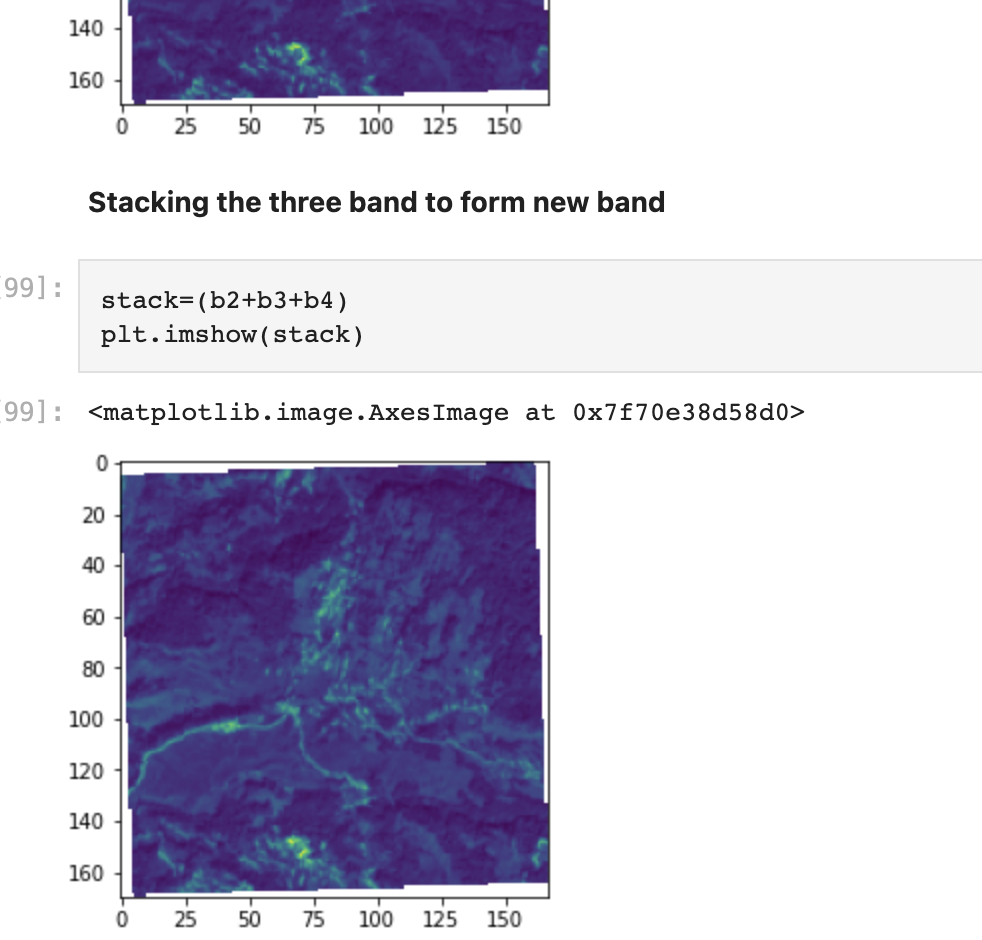
    On behalf of the final year project (thesis) of undergraduate, Prediction of precipitation and temperature from past meteorological data of Pokhara Domestic Airport, Lumle, Begnas and Lamachaur station was carried out.

Experience

  1. Water Predicition Innoveters Summer Institute

    June 2025 - Present

    Investigating the possibility of pluvial flooding response through Next Generation Water Modeling Framework.

  2. Graduate Research Assistant (GRA)

    Jan 2024 - Present

    1. Enhanced the predictability of low-fidelity flood map extent accuracy by 30% + and 1000X faster through surrogate modeling.
    2. Implemented robust, scalable pipelines leveraging AWS S3 for operational geospatial data processing.
    3. Built a Python-based operational workflow for flood mapping through raster analysis with GDAL, rasterio, and the GEE API.
    4. Collaborated on building a global river slope fabric for 213k+ reaches using Python, Model Builder, and automated ArcPy workflows.
    5. Facilitated 3 training workshops on flood mapping and evaluation algorithms for 100+ water resources professionals.

  3. Junior ML Engineer (Remote) in Omdena

    Jan 2023 — April 2023

    1. Predicting the Nitrogen flow from the farm used as Nitrogen fertilizer to the Nitrous Oxide: One of the top contributors to greenhouse gas using Deep Learning on Remote Sensing data and Validating using Ground truth data following IPCC standard.
    2. Accomplished flood prediction in Belgrade, Serbia using Deep Learning from past meteorological water level data of Danube and Sava river and precipitation data
    3. Done Dark Corridors mapping for Bats in Brussel, Belgium using Computer Vision and Remote Sensing

  4. Data Quality Intern in Humanitarian OpenStreetMap Team (HOT)

    Oct 2022 — Jan 2023

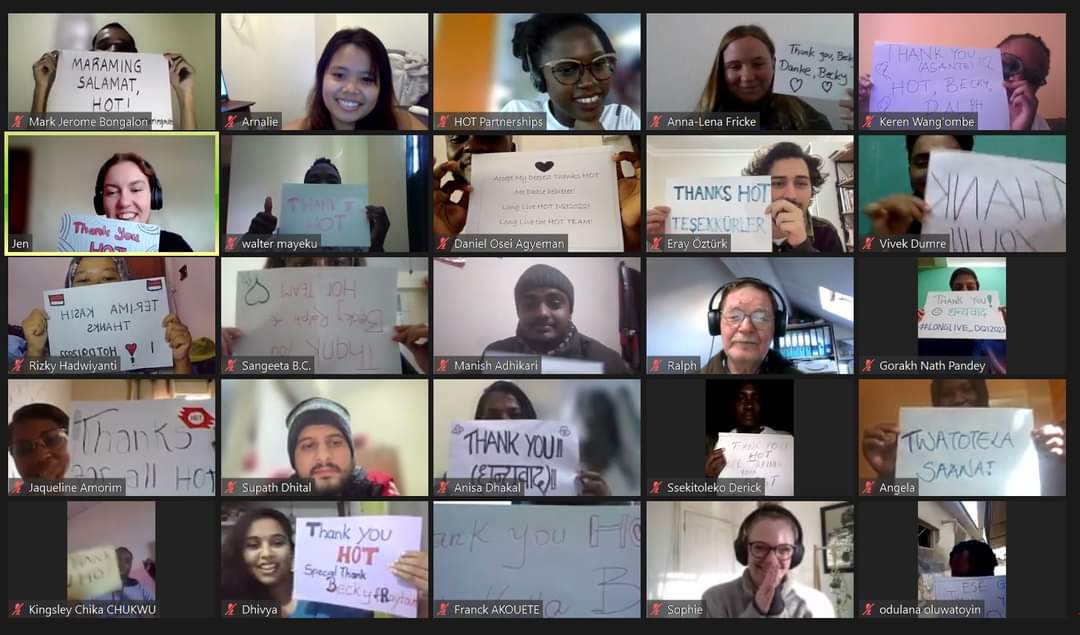
    In this intern,I have done mapping activities in various disaster-prone areas, capturing and digitizing geographic features to generate comprehensive 3D geodata. This valuable resource can be utilized by governmental bodies and NGOs for post-disaster analysis and decision-making. Additionally, I have implemented several web maps and thematic maps to effectively visualize the open geodata, enabling a clearer understanding of spatial information. These efforts aim to support informed decision-making and enhance the assessment and response to natural disasters and related challenges.

  5. Mapping the Vulnerable Places in CLARISSA

    Feb 2022 — Apr 2023

    CLARISSA aims to break the supply chain of child labour in Nepal and Bangladesh. In this project we mapped the most vulnerable places about the child labour among Kathmandu city to prepare open data for the preparedness to overcome this problem and push society towards sustainable development.

  6. Mapping Pakistan 21 Districts on Behalf of Kathmandu Living Labs (KLL)

    Feb 2022 — Apr 2023

    Data Validation/Mapping 21 districts of Khyber Pakhtunkhwa, Pakistan which was supported by World Bank.

Publications

  • Dhital, S., Lamsal, K., Shrestha, S., & Bhurtyal, U. (2024). Forecasting Weather using deep learning from the Meteorological stations Data: a study of different Meteorological stations in Kaski District, Nepal. EURASIAN JOURNAL OF SCIENCE AND ENGINEERING, 10(2), 16–33.
  • Dhital, S. (2024). Methods to improve run time of hydrologic models: opportunities and challenges in the machine learning era. arXiv preprint arXiv:2408.02242.
  • Dhital, S. SYSTEMATIC AND RESEARCHED PROMOTION OF ROOFTOP FARMING: A SUSTAINABLE REMEDIAL ACTIVITY FOR BURNING ENVIRONMENTAL ISSUES IN KATHMANDU, NEPAL.
  • Dhital, S. (2022). UAV technology, its application, principle and workflow to disaster monitoring and emergency response.
  • Dhital, S., Burauh, A., Nikrou, P., & Cohen, S. (2025). Enhancement of the NOAA Flood Inundation Mapping Framework (OWP HAND-FIM) through Surrogate Modeling. Authorea Preprints.
  • Dhital, S., & Lamsal, K. Orthophoto Generation Using UAV: A Case Study of Pashchimanchal Campus, Pokhara.

Conferences & Presentations

  • Surrogate model-guided enhancement of operational flood mapping techniques – CIROH DevCon, Vermont, 2025
  • NOAA FIM enhancement via surrogate modeling approach – AGU Fall Meeting, Washington D.C., 2024

My Skills

  • Python & Geospatial Libraries
    95%
  • ArcGIS & QGIS Suite
    95%
  • GeoAI & ML (PyTorch, sklearn)
    90%
  • Drone Survey & UAV Mapping
    85%
  • Surveying & Cartography
    90%
  • PostgreSQL & PostGIS
    85%
  • Data Visualization
    95%
  • Cloud Platforms (AWS, GEE, HPC)
    85%
  • DGPS & LiDAR Processing
    80%
  • Web Mapping (Leaflet, ArcGIS)
    95%

Contact

Location: Surface Dynamics Modeling Lab, Shelby Hall, 2021, Tuscaloosa, AL, USA

Contact Form